

What Is a Skin in Gaming?
What Is a Skin in Gaming?
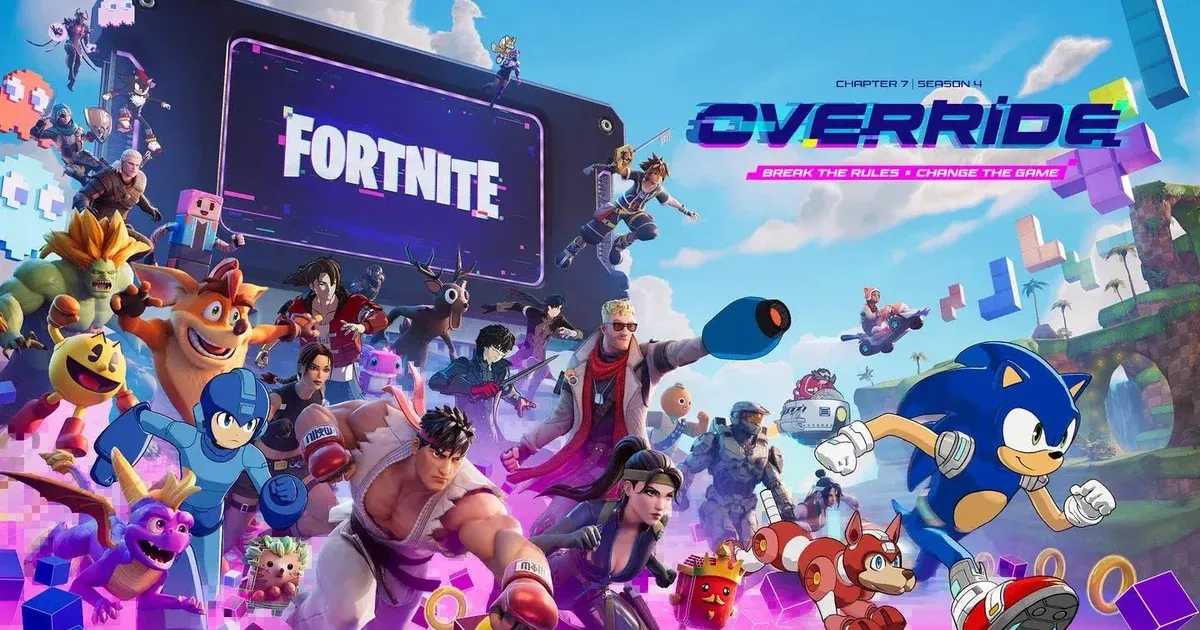
A skin is a cosmetic item that changes how a character, weapon or vehicle looks without changing how it performs. Skins are the main revenue source for most free to play games, they carry no competitive advantage, and rarity rather than utility is what makes some of them worth hundreds of euros.
Attribute | Value |
|---|---|
Term type | Cosmetic item |
Game | Nearly every modern title |
Affects gameplay | No, cosmetic only in competitive titles |
Obtained from | Stores, battle passes, loot boxes, events, trading |
Value driven by | Rarity, availability window, visual quality |
Also called | Cosmetic, skin drop, wrap |
How do skins work in games?
A skin replaces the visual model, textures and often the sound effects of an item while leaving its statistics untouched. In Valorant a premium weapon skin changes the firing audio, reload animation and kill banner, and the gun still does exactly the same damage.
Value comes from supply rather than design. Skins tied to a limited event, a retired battle pass or a discontinued store rotation cannot be bought again, so their price on the secondary market climbs while identical looking current skins stay cheap. That is the whole logic behind account and item trading: a collection assembled across five years of events cannot be recreated by spending money today, which is why League of Legends skins and RP and Valorant Points and bundles are among the most traded categories on any marketplace.
Do skins affect your gameplay or rank?
Not mechanically. In competitive titles every skin is cosmetic by design, because a ranked ladder loses meaning the moment paid items change outcomes, which is exactly the line between a normal free to play game and a pay to win one.
There are marginal arguments, mostly around Valorant skins with distinctive audio and animations that a few players claim make recoil easier to read or hide the reload timing. The effect, if it exists at all, is far smaller than the confidence boost players report from playing with a collection they like. Where skins genuinely matter is account value: a stacked collection is the single biggest factor in what an account is worth on the accounts marketplace.
Skin vs battle pass: what is the difference?
A skin is one cosmetic item. A battle pass is a seasonal progression track that hands out many of them, plus currency and other rewards, in exchange for playing. Buying a skin is instant and permanent; earning one from a pass costs a season of playtime and disappears from availability when the season ends. That expiry is precisely why pass skins hold their value on the secondary market better than store skins do.
FAQ
Do skins give an advantage in games? No. In competitive titles skins are cosmetic by design, and any perceived advantage comes from familiarity with the animations rather than from the item.
Why are some skins so expensive? Because they cannot be bought again. Limited event and retired pass skins have fixed supply, so their price is set by demand against a pool that never grows.
Can you trade skins between accounts? It depends on the game. Some titles allow direct trading or gifting, while others lock cosmetics to the account, which is why whole accounts rather than single skins change hands in those games.
Improve your knowledge with these related General definitions:
General definitionsRelated definitions

BM
BM stands for bad manners. In gaming it describes any action meant to disrespect, mock or humiliate another player rather than to win the game, from emote spamming over a corpse to...
F2P
F2P stands for free to play. It describes a game you can download and play in full without buying it, with the revenue coming from optional purchases instead of a price tag. League...
Frag
Frag means a kill in a shooter. One frag is one enemy eliminated, and the word doubles as a verb, so fragging is the act of getting kills. It comes from military slang and entered...