




What Is Crossplay in Gaming? How It Works
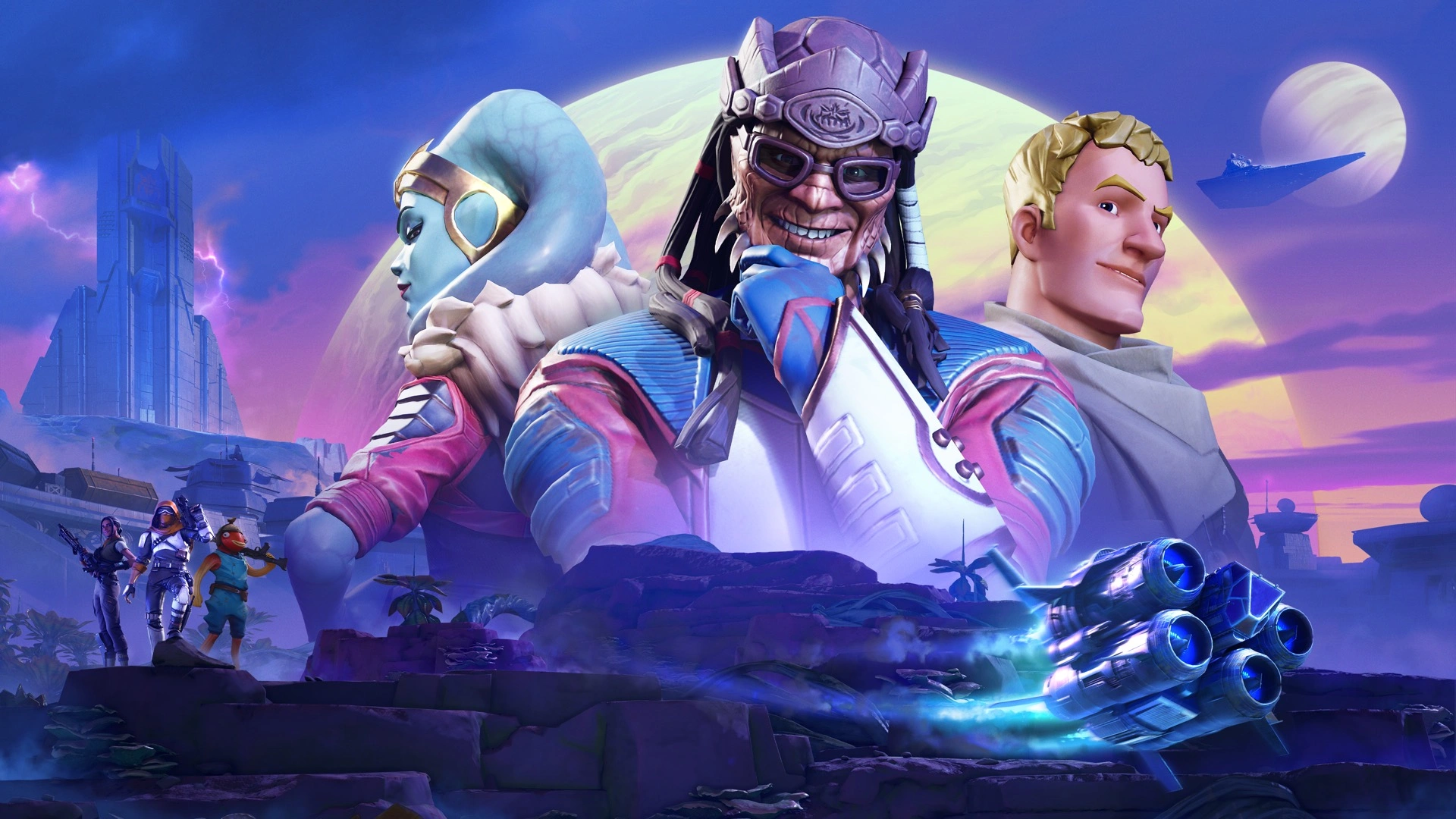
What Is Cross-Play in Gaming? Meaning and How It Works
Cross-play is a feature that lets players on different platforms play together in the same match, so a PC player can queue with someone on PlayStation, Xbox, Switch or mobile. It is also called cross-platform play, and in most modern titles it is enabled by default with an option to turn it off.
Attribute | Value |
|---|---|
Term type | Technical feature |
Game | Fortnite, Call of Duty, Rocket League, Apex, GTA Online and more |
Applies to | Matchmaking, parties, casual and ranked modes |
Became standard | 2018, after Fortnite pushed console makers to open up |
Also called | Crossplay, cross-platform play |
Can players disable it | Yes in most games, in account or matchmaking settings |
How does cross-play work in games?
Cross-play works by moving the match onto shared servers and a shared account layer, so the platform a player logs in from stops mattering to matchmaking. The publisher runs one account system, such as an Epic Games account or an Activision ID, and the console or PC login just attaches to it.
The hard part is fairness, not networking. Mouse aim beats controller aim in shooters, so cross-play games either separate input methods into different pools or apply controller aim assist to close the gap. Console players in a party with a PC player are normally pulled into the PC pool, which is why a mixed party can feel far harder than solo queue. Carrying skins, levels and progress between platforms is a separate feature called cross-progression, and plenty of games ship one without the other.
How does cross-play affect your rank and queue times?
Bigger player pools mean shorter queues and tighter skill matching, so your matches sit closer to your real level instead of stretching the rating range to fill a lobby. The downside is the difficulty jump. Turning cross-play on in a shooter usually means facing mouse and keyboard opponents, and ranked climbs slow down noticeably for controller players stuck in that pool.
If the ladder has stalled for that reason, a Valorant rank boost covers the stretch where the pool is toughest, and the same logic applies to a League of Legends division boost when queue quality on your server is the bottleneck rather than your own play.
Cross-play vs cross-progression: what is the difference?
Cross-play is about the match: who you can play with right now, across platforms. Cross-progression is about the account: whether your skins, battle pass, level and rank follow you when you switch from console to PC. Fortnite and Call of Duty have both, some titles have cross-play only, so you can queue with a friend on another platform but still start from zero if you buy the game somewhere else.
FAQ
Can you turn cross-play off? Yes. Most games put the toggle in account or matchmaking settings, though switching it off adds queue time and is blocked entirely in some ranked modes.
Does cross-play work between PlayStation and Xbox? Yes. Both platforms have allowed it since 2018, and the limitation today is the game itself rather than the console maker.
Is cross-play unfair for controller players? It depends. Shooters compensate with aim assist, which can outperform a mouse at close range, while games like Rocket League or fighting titles show almost no input advantage.
Improve your knowledge with these related General definitions:
General definitions