Marathon Trilogy: Pioneering the FPS Genre

When it came to first-person shooter games, running any of the games from the Marathon Trilogy during the second half of the 1990s was the “it” game for so many players around the world. At first, access to Marathon was limited before its development team was bought by Activision going into the dawn of the 21st century.
Marathon’s History
 bejppumedie31.png 302.16 KB
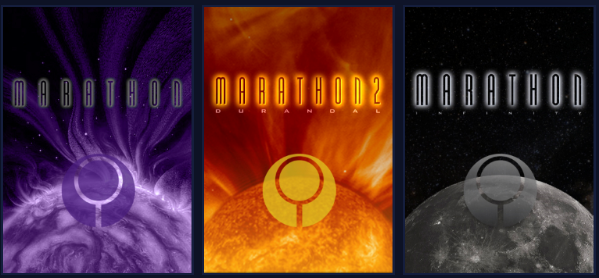
When Bungee released the sci-fi Marathon first-person shooter game in 1994, it was for the Apple MacIntosh platform. This futuristic game in outer space had gamers play the role of a security officer assigned to prevent an alien invasion of the colony spaceship Marathon. It was the first of Marathon Trilogy while 1995’s Marathon 2: Durandal and 1996’s Marathon Infinity were its sequels. They were released on the Apple Bandai Pippin gaming console before the platform itself was discontinued. It was a gaming relationship that didn’t last long.
In 1999, Marathon 2 had its source code released by Bungee. Doing so allowed an enhanced version of the game with an open-sourced development engine known as Aleph One. In 2005, the game was released by Bungee as freeware. This came five years after Microsoft's acquisition of Bungee. It also marked the beginning of the Halo series, another first-person shooter from Bungee’s repertoire of first-person shooter games.
Marathon’s Gameplay
 MDroad_1.0.jpg 100.25 KB
Players participated in Marathon’s real-time, 3D world from a first-person’s point of view. They’d trek through these texture maps, each featuring their own set of designs, as a security officer of the colony ship referred to as Marathon. Using the assigned keys of a keyboard, as well as a mouse, players moved their characters around as if they were personally in the room themselves.
At the time, Marathon was among the first computer games to enable the free look-around feature so players could look up and down, as well as side to side. There was also a motion sensor and overhead map that allowed players to pinpoint the enemy’s position and movements. This also included being able to keep an eye on the allies. Enemies were identified with red triangles while allies were recognizable with green squares. There were also health bars for each player that showed how healthy their shield and oxygen levels were.
Marathon’s Objectives
The purpose of the game was to progress through different levels in a certain sequence. This was accomplished by killing all the enemy creatures and avoiding various hazards in the name of game survival. These game levels could be either linear or non-linear. Among the non-linear, there was the need to do extensive exploration before it could be completed. As for the obstacles, there were dark and narrow passages, collapsable ceilings, and environmental hazards.
There were also challenges that needed to be completed such as unlocking doors and platforms, as well as puzzles that needed to be solved. To complicate things further, precision was key in order to achieve success. Marathon was the most unique first-person shooter at the time as it had a complex and detailed plot. In order to advance in the game, it was needed to follow the storyline, which was done through computer terminals that were set up in the opening of walls as a relay point.
Players would be assigned objectives by an artificial intelligence interface. It would be up to them as the security officer to complete them. Upon completion of each task, players would then access specific terminals in order to advance. These tasks included alien extermination, exploration, and providing security to human characters.
Marathon Multiplayer
Aside from playing Marathon’s campaign storyline as a single-player, there was also a multiplayer option. Two teams of eight players each sharing the same localized network would be pitted against each other in a deathmatch. There were ten levels accessible for gamers in multiplayer mode that was not accessible in the single-player campaign.
At the time, Marathon’s multiplayer mode was one of the most anticipated features prior to the release of the game. It won a Macworld Game Hall of Fame Award in 1995 for Best Network Game. This monumental achievement paved the way for first-person shooter games to flood the gaming market with Activision’s Call of Duty series standing out as the leader of the pack.
Marathon Winners
When Marathon was released, it was well received by members of the gaming community. It was considerably more popular than its predecessor, Pathways. Because the popularity was so high, supply had a tough time keeping up with demand. In 1996, Marathon beat Doom II as MacUser’s choice for Best Action Game.
In 2012, Time Magazine listed Marathon as one of the 100 Best Video Games Ever Released. It was recognized Halo earned its place in the gaming industry as a spawn from the success of the Marathon series. After Microsoft brought in Bungee, accessibility to Marathon could now be achieved by different console platforms such as the Sony PlayStation and Microsoft’s Xbox series. Currently, it can be accessed by PC.
Marathon's Glorious Return: A New Game After 30 Years
 4144884-marathon(1).jpg 223.25 KB
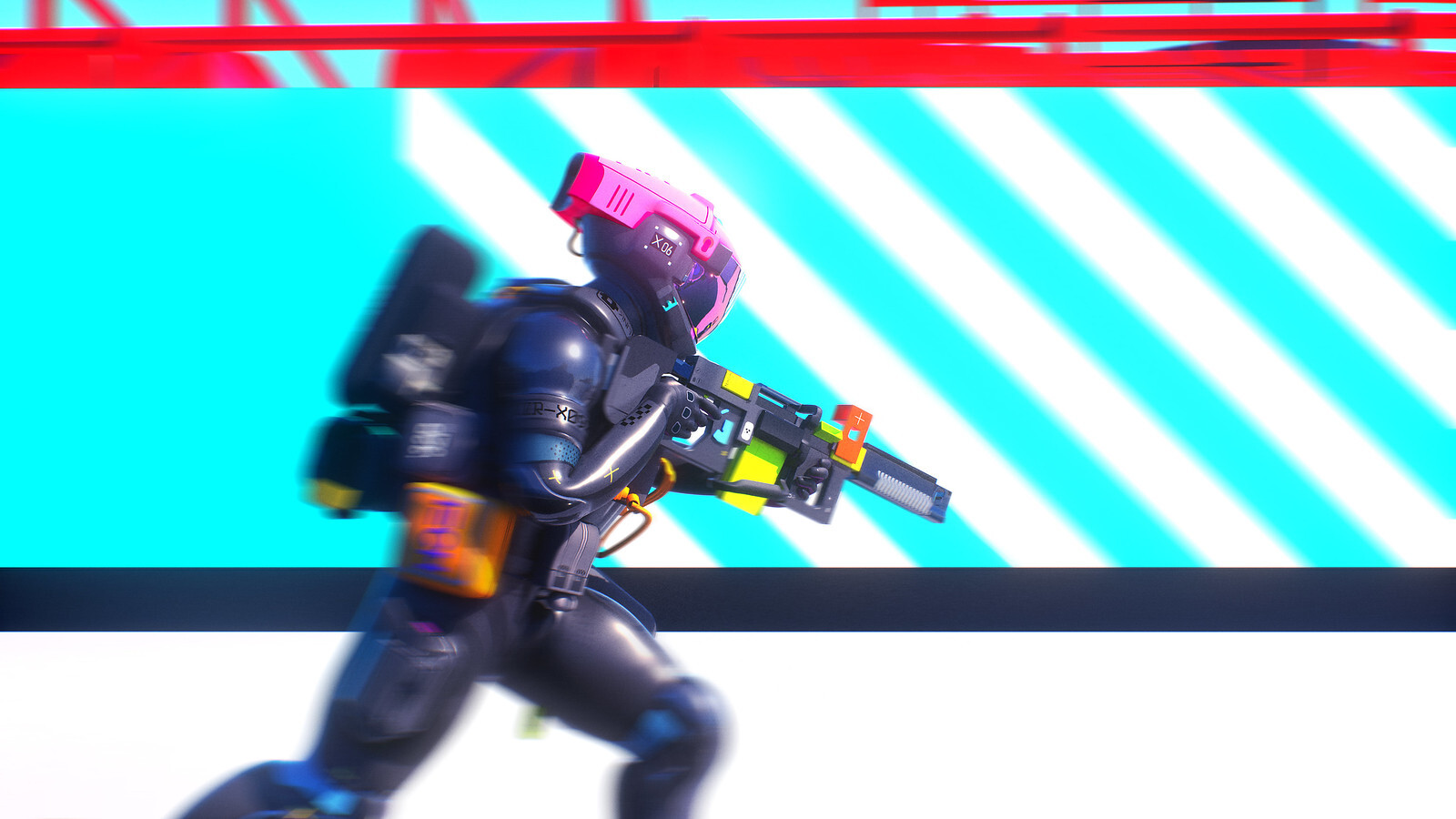
In an exciting turn of events, Marathon enthusiasts received a nostalgic treat in 2024. Bungie, the original developer of the Marathon Trilogy, marked its return by releasing a brand-new "Marathon" game. After three decades, fans of the iconic series were delighted to dive back into the universe that had shaped the early days of first-person shooter gaming.
Bungie's 2024 release captured the essence of the original Marathon games while introducing modern graphics, gameplay mechanics, and immersive storytelling. This long-awaited sequel paid homage to the series' roots while catering to the preferences of contemporary gamers. The new "Marathon" game brought together seasoned fans and a new generation of players, celebrating the enduring legacy of a franchise that played a pivotal role in shaping the FPS genre.
The revival of Marathon in 2024 not only brought back cherished memories but also paved the way for exciting possibilities in the world of gaming. Bungie's dedication to creating a new installment demonstrated the timeless appeal of the Marathon series and reaffirmed its status as a cornerstone of gaming history.
You might also like