TFT Set 17: Realm of the Gods - Complete Mechanic Guide
 By Hollow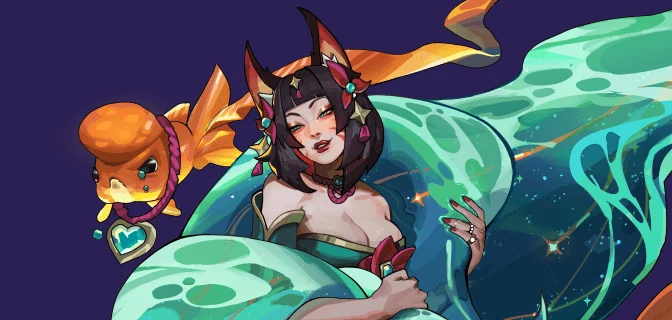
The Realm of the Gods replaces carousel rounds in TFT Set 17: Space Gods. Here's everything you need to know, how it works, all 9 gods, strategic tips, and how to use it to gain a competitive edge.
Continuously updated. All Realm of the Gods details will be confirmed during PBE (April 1-15, 2026).
Old System vs New System
What Was the Carousel?
In every TFT Set before 17, carousel rounds were a staple mechanic. Players would spectate a spinning merry-go-round of champions with items attached. You'd pick up the champion to gain both the unit and its item. Carousels occurred every few rounds and provided a catch-up mechanic for players who were struggling.
What Is the Realm of the Gods?
The Realm of the Gods completely replaces carousel rounds. Instead of picking from a wheel, you enter a divine marketplace to receive blessings from cosmic gods. There are 9 gods in total, and only 2 are randomly active per game, creating a unique experience each match.
This means no two games feel the same. Your god pairing changes what Minor Blessings are available, what God Boon you can earn, and ultimately how you build your late-game strategy.
Step-by-Step: How Realm of the Gods Works
Step 1: Game Start - Two Gods Are Chosen
At the start of every game, the game randomly selects two gods from the pool of nine. These two gods are the only ones active for the entire match. Every player in the lobby sees the same two gods, but your choices throughout the game determine which one you align with.
Step 2: Minor Blessings - Stages 2, 3, and 4
At stages 2, 3, and 4 (where carousel rounds would normally occur), you instead enter the Realm of the Gods and choose a Minor Blessing. Each Minor Blessing is offered by one of the two active gods.
Minor Blessings are small but meaningful rewards; they might give you gold, items, champions, stat boosts, or unique effects. Each time you choose a blessing from a specific god, you add a "vote" toward that god's alignment.
Stage 2 Minor Blessing - First vote opportunity. Choose between God A and God B's offerings.
Stage 3 Minor Blessing - Second vote. Pattern of alignment starts to emerge.
Stage 4 Minor Blessing - Third and final vote. This is your last chance to influence the alignment outcome.
Step 3: Alignment - After Round 4-4
After Round 4-4, the game tallies your accumulated votes. Whichever god received the majority of your three votes becomes your Aligned God for the match. If you voted 2-1 toward one god, that god wins. If you split evenly (rare in a 3-vote system), specific tiebreaker rules apply.
Step 4: God Boon - Round 4-7
At Round 4-7, your Aligned God rewards you with a God Boon - a major, game-defining bonus that significantly impacts your endgame power level and strategic direction. God Boons are substantially more powerful than any single item, making alignment one of the most important decisions of the game.
All 9 Gods - Blessings & Boons
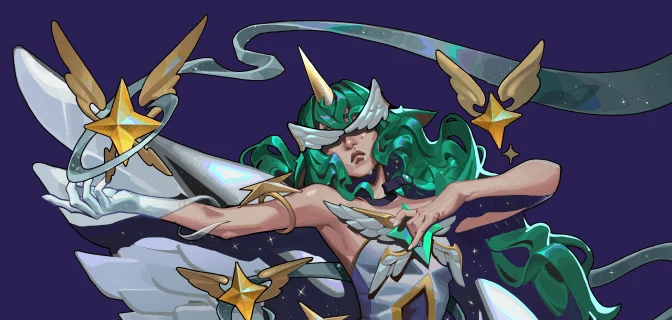
God of Stars: Soraka
Domain: Celestial scaling and star-based magic
Minor Blessings: Star-themed item components, celestial orbs with random premium loot, star-level-linked stat bonuses
God Boon: A powerful star-scaling effect that grows with your champions' star levels throughout the game. Strongest in comps that achieve multiple 3-star units.
Best paired with: Reroll comps, Stargazer trait, comps built around reaching 3-stars on multiple key units.
God of the Abyss: Yasuo
Domain: Flow, edge, and abyss-style combat mechanics
Minor Blessings: Edge-of-death survival mechanics, flow-based combat items, critical strike empowerment
God Boon: A dramatic combat effect tied to near-death situations or critical moments in fights. Extremely powerful in the right comp.
Best paired with: High-damage carries, dive comps, comps with healing that can survive near-death moments.

God of Opulence: Ahri
Domain: Economy, gold, and abundance
Minor Blessings: Gold bonuses, shop discounts, interest gold increases, free shop refreshes
God Boon: A massive economic advantage, extra gold generation or a one-time gold injection that lets you level or roll significantly faster than opponents.
Best paired with: Fast 8/9 strategies, high-cost carry comps, comps that benefit from rolling deep.

God of Pacts: Thresh
Domain: Binding, control, and pact-making
Minor Blessings: Chain CC effects, crowd control items, bind-on-attack bonuses
God Boon: A sustained CC enhancement that makes your team significantly harder to kill through lockdown effects on enemies.
Best paired with: Tank frontlines, comps with multiple CC abilities, slow-and-grind battle strategies.
God of Order: Kayle
Domain: Law, judgment, and divine justice
Minor Blessings: Damage mitigation effects, armor/MR bonuses, law-based defensive items
God Boon: An order-based boon that rewards structured, well-built comps with a powerful defensive or judgment-based offensive effect.
Best paired with: Arbiter comps (synergy with law theme), tank-heavy frontlines, healing comps.

God of Love: Varus
Domain: Synergy, bonds, and shared power
Minor Blessings: Trait activation bonuses, shared stat items, bond effects that empower adjacent allies
God Boon: A team-wide synergy boost that strengthens trait bonuses across your entire board.
Best paired with: Vertical trait comps, Reactor builds, comps with many trait overlaps.
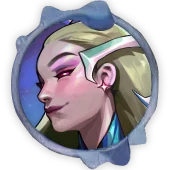
God of Temptation: Evelynn
Domain: Corruption, seduction, and dark power
Minor Blessings: High-risk/high-reward items, corrupted augments with powerful but tricky effects, charm-based debuffs
God Boon: A corruption effect that significantly boosts your carry's power at a cost or debuffs the entire enemy team.
Best paired with: High-damage glass cannon comps, fast-finish comps that win before the drawback matters.
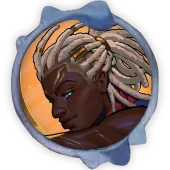
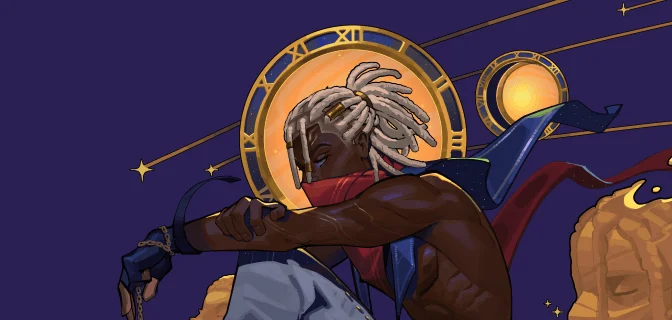
God of Time: Ekko
Domain: Temporal effects and timeline manipulation
Minor Blessings: Rewind effects (undo a decision), cooldown reduction items, time-delay combat modifiers
God Boon: A time-based power that either resets key combat timings or gives your units a second chance after dying.
Best paired with: Sustain comps, comps with powerful one-time ability activations, reroll comps that frequently replay combat.

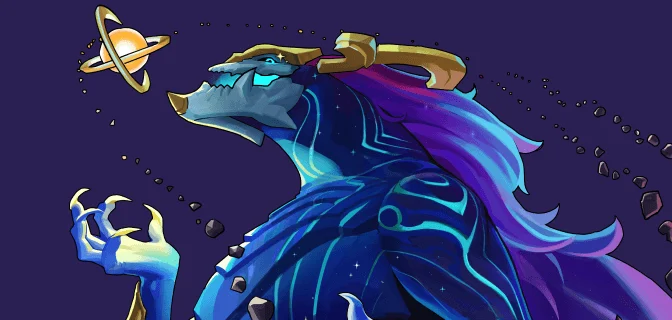
God of Wonders: Aurelion Sol
Domain: Cosmic power, wonders, and star forging
Minor Blessings: Artifact items, cosmic power scaling augments, star forging effects
God Boon: The most powerful boon in the game a wonder-level effect that can single-handedly define a late-game board.
Best paired with: Any strong carry comp. Aurelion Sol's boon is universally powerful but particularly potent with Dark Star or high-star-level carries.
Strategy: Committed vs Flexible Alignment
Committed Strategy
The committed approach means you decide which god to align with at Stage 2 and vote for that god all three times. You sacrifice flexibility in Minor Blessing choice but guarantee your alignment and earn the maximum synergy from your chosen god's theme. This is the stronger approach when one god clearly matches your comp direction.
Flexible Strategy
The flexible approach means you choose the best Minor Blessing available each time, regardless of god alignment. You might end up 2-1 aligned to one god (still getting the God Boon) but your Minor Blessings will be more optimized for your current board state. This is stronger when you're unsure of your direction early game or when both gods offer similarly good blessings.
Reading the God Boons
Before choosing any Minor Blessing, always check what God Boon each god offers. If one god's boon is dramatically better for your comp, commit to that god even if some of their Minor Blessings are weaker. The boon impact outweighs individual blessing quality in most cases.
More TFT Set 17 Guides
Climb Faster with EB24
The first two weeks of a new TFT set are always the most competitive. Players who understand the meta early gain a massive LP advantage, while everyone else is still experimenting and making mistakes.
If you don’t have time to test comps on PBE or grind ranked from day one, a lot of players choose to speed things up with platforms like EB24. Whether it’s climbing divisions, improving consistency, or just avoiding the frustration of early-set chaos, having the right support can make a noticeable difference.
Some players focus on fast rank progression through TFT Division Boost, while others prefer a more controlled climb using TFT Net Win Boost to maintain a steady win rate. If you're starting fresh, TFT Placement Games services can help you land in a much better position right from the beginning.
For players who actually want to improve (not just gain LP), TFT Coaching is often the best option, especially early in the set when understanding meta fundamentals matters the most.
And if you're looking for flexibility, the TFT Marketplace allows you to choose exactly what fits your needs, including more niche services like GGirls TFT Services. Early-set climbing is where the biggest LP gains happen - if you fall behind here, catching up later becomes significantly harder.
You might also like