



League of Legends Classic: The Complete Guide
 By Hollow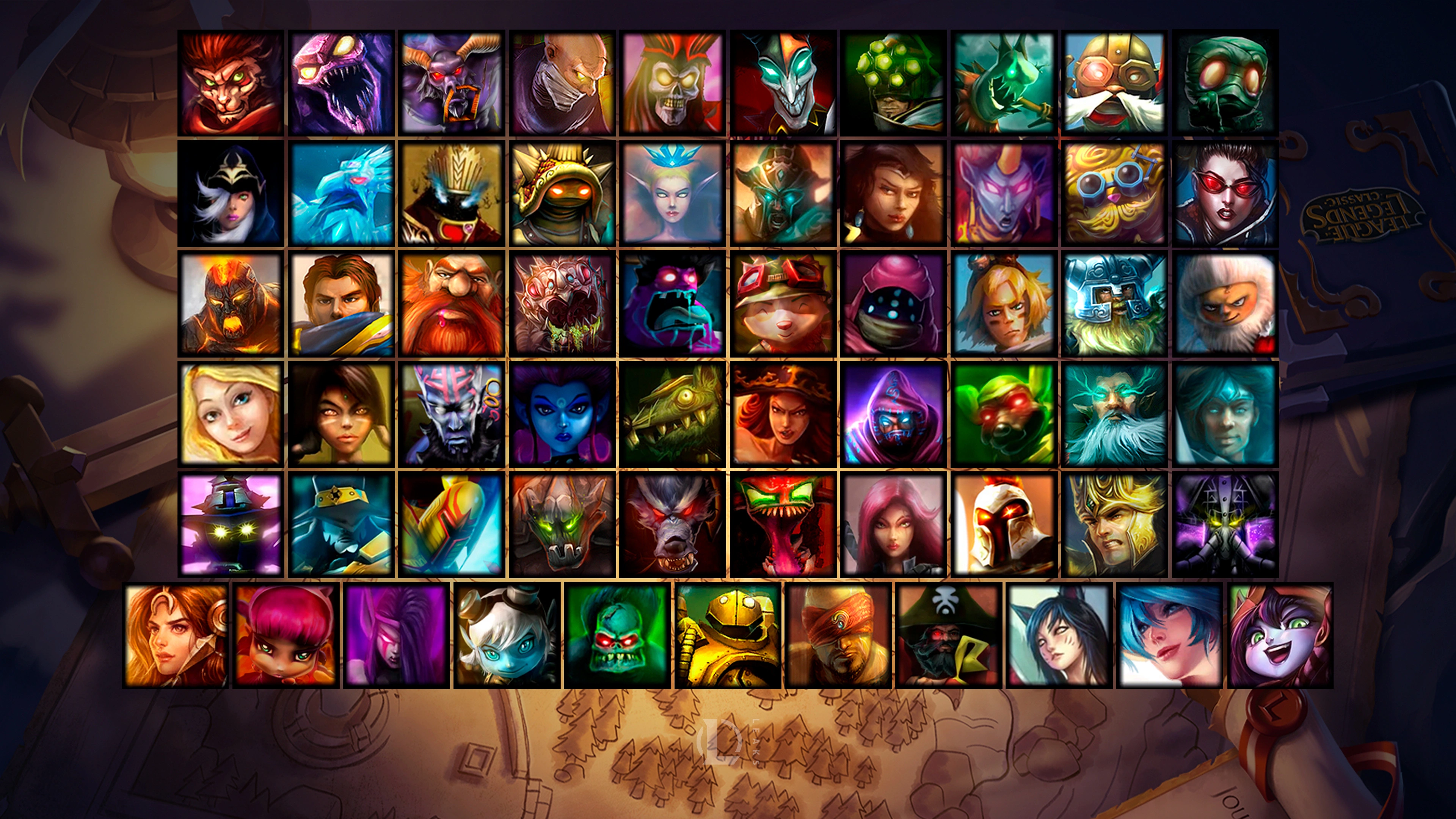
League of Legends is about to do something it has never done before: officially go back in time. On July 29, 2026, Riot Games is launching League of Legends Classic, a permanent-feeling Featured Game Mode built around the design, pacing, and power fantasy of Season 3 with mixed characters and features from Season 1,2,4 the era of Heart of Gold rushes, Deathfire Grasp one-shots, and a Summoner's Rift that looked nothing like the polished map players know today.
This guide pulls together everything Riot has confirmed, everything reputable outlets and dataminers have uncovered, and everything long-time players need to understand about how the mode will actually play, from champion kits to the ranked ladder. Whether you are a veteran who remembers grinding Elo in 2012 or a newer player curious what all the nostalgia is about, this is the only page you need to bookmark before launch day.
What makes League Classic different from a normal nostalgia event is that it is not time-limited cosmetic dressing. Riot has rebuilt actual systems, rune pages bought with Influence Points, the old mastery tree, jungle items that no longer exist anywhere else in the game, and wrapped them in their own dedicated Ranked, Normal, and Co-op vs. AI queues. That is a meaningfully bigger undertaking than a skin-themed game mode, and it is why the reaction from both casual players and former pros at MSI 2026 leaned so heavily toward genuine excitement rather than skepticism.

What is League of Legends Classic?
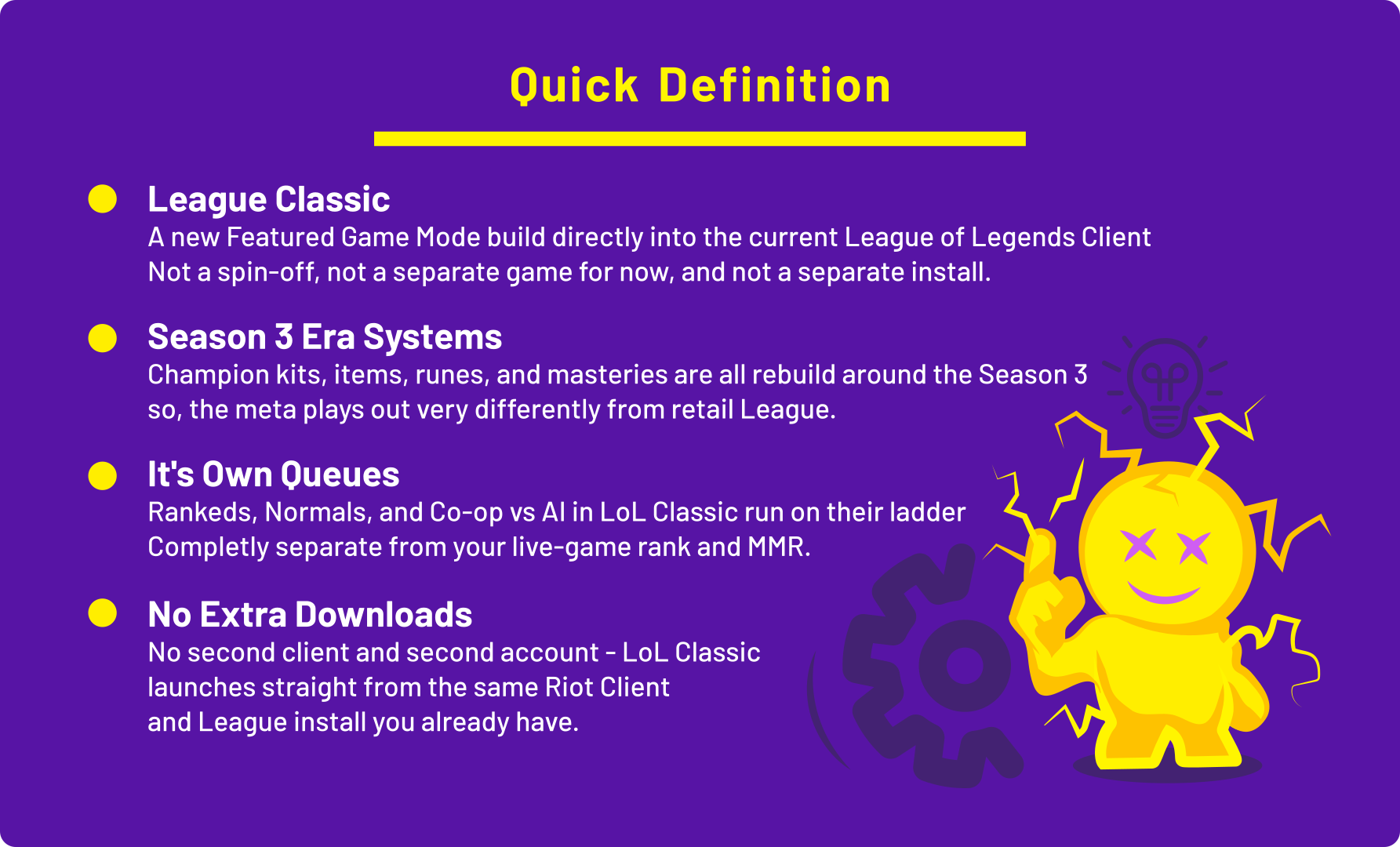
League of Legends Classic (often shortened to League Classic) is a new, officially developed Featured Game Mode that recreates the gameplay of League's early years. It is not a separate game, not a separate client, and not a separate account - it lives inside the existing Riot Client, in the same mode picker where players already find Arena, URF, and other rotating modes.
Rather than freezing the game on one specific historical patch, Riot has described League Classic as a curated “greatest hits” experience: it uses Season 3 as its foundation while borrowing select mechanics from slightly earlier and later points in League's history, up through Season 4. In practice, that means old champion kits, the original rune and mastery systems, legacy items, the vintage Summoner's Rift visuals, and an old-school user interface, from champion select all the way through the in-game HUD.
Riot's internal codename for the project during development was “Jade,” and it was built in part by developer Norak - a name some veteran players will recognize from Chronoshift, a fan-run project that reverse-engineered old League gameplay. Riot's legal team issued a cease-and-desist against Chronoshift back in 2021 and the project shut down after Riot sued; Norak was later hired by Riot and is now among the engineers who built the officially sanctioned version of the same idea.
History of Season 3
To understand why League Classic looks the way it does, it helps to remember what Season 3 (2013) actually felt like. It was the season that cemented the “meta” as most current players understand it: a solo laner top, a jungler, a solo laner mid, and a bot lane duo of an AD carry and a support. Before Season 3, roles were far looser and lanes were still being figured out in real time by the community.
Season 3 introduced the trinity force meta, the rise of assassins like Zed and Katarina builds around Deathfire Grasp burst combos, and the golden age of the Elo-based ranked ladder before Riot's modern League Points system fully took over. It was also the last season before major systemic overhauls: the mastery pages, the old rune shards bought individually for IP, jungle items like Wriggle's Lantern, and wards you had to buy and manually place one at a time with no trinket slot.
For competitive fans, Season 3 is remembered as one of the most influential years in League esports history, capped off by SK Telecom T1's legendary run through the Season 3 World Championship. It is that specific blend of nostalgia - mechanical simplicity, high skill expression, and slower, more methodical pacing - that Riot is trying to recapture with League Classic.
It's also worth remembering just how different the broader game around Season 3 looked. There was no in-client mastery for role-based queueing, no Autofill, and no dedicated Support item line as robust as the one that exists today - supports leaned heavily on Heart of Gold and cheap wards bought one at a time from the shop. Ranked climbing was slower and more grindy by design, and the community's understanding of wave management, objective trading, and vision control was still being actively discovered in real time by the pros players watched and copied. Recreating that period isn't just about old kits; it's about recreating an entire, less-optimized way of thinking about the game.
Why Riot is Bringing It Back
League Classic did not appear out of nowhere. Requests for an “official old League” server have circulated in the community for years, inspired heavily by the success of World of Warcraft Classic and other legacy-version relaunches. Riot has acknowledged this directly, framing League Classic as its answer to one of the community's longest-running requests.
There is also a clear business logic at play. League of Legends has an enormous, aging player base — third-party estimates put its monthly active players in the 120 to 130 million range — and a large share of that audience grew up on Season 3-era League before drifting away as the game changed. Reintroducing that exact experience, with zero friction (no new install, no new account), is a low-risk way to re-engage lapsed veterans while giving newer players a taste of League's history.
Riot has also been candid that the long-term future of the mode depends on player interest after launch. This isn't being treated as a guaranteed permanent feature yet — it is being launched, watched closely, and will evolve (or not) based on how the community responds in the weeks after July 29.
Everything Confirmed So Far
Here is a consolidated summary of what Riot has actually confirmed publicly, as opposed to community speculation:
Release date: July 29, 2026 at 8:00 AM PT (11:00 AM ET), alongside Patch 26.15.
Delivery: a Featured Game Mode inside the existing League client — no separate download, no new account.
Reveal: officially announced during the MSI 2026 Finals broadcast on July 11–12, 2026, via a dev update video titled “200 Years of Experience,” featuring Executive Producer Paul “Pabro” Bellezza and League Studio head Andrei “Meddler” van Roon.
First tease: a short reveal on June 26, 2026, ahead of the full MSI announcement.
Champion count: 60 champions confirmed for launch, with more promised post-launch based partly on community voting.
Old-school systems: original rune pages, original mastery trees, classic items, the old summoner leveling track (1–30), and the vintage Summoner's Rift look.
Its own queues: League Classic ships with its own Ranked, Normal, and Co-op vs. AI queues, entirely separate from your regular League of Legends rank.
Esports tie-ins: an MSI 2026 showmatch (Team Baron, featuring Doublelift, Ambition, Scarra, Zz1tai, and WeiXiao, defeating Team Dragon), plus an LCS Classic exhibition (TSM vs. CLG) on July 24, a EU LCS Legends Showmatch on July 25, and an LCK Legend Match on August 4.
Release Date
League of Legends Classic launches on July 29, 2026, at 8:00 AM PT / 11:00 AM ET, arriving alongside Patch 26.15. Because the mode is embedded directly in the existing client, there is no separate pre-load or install step for most players — once the patch is live, League Classic will simply appear in the normal mode-select screen next to Arena, URF, and the other Featured Game Modes.
The July 29 date lands in the same week as several nostalgia-driven esports events, including the LCS Classic exhibition match between TSM and CLG on July 24 at the Riot Games Arena in Los Angeles (tickets went on sale July 15 via Tixr), positioning League Classic's launch as part of a broader “throwback week” for the game.
All Confirmed Champions
As of publication, dataminers have individually identified 58 of the reported 60 launch champions through the LoL Wiki's community-maintained tracking, sourced from in-client files rather than an official Riot press release. Riot has not published a complete, official champion list, so treat the roster below as highly reliable but not 100% final until Riot's own patch notes go live on July 29.
Ahri
Alistar
Amumu
Anivia
Annie
Ashe
Blitzcrank
Brand
Cho'Gath
Dr. Mundo
Evelynn
Ezreal
Fiddlesticks
Gangplank
Garen
Gragas
Graves
Heimerdinger
Janna
Jarvan IV
Jax
Karthus
Kassadin
Katarina
Kayle
Kog'Maw
Lee Sin
Leona
Lulu
Lux
Malphite
Malzahar
Master Yi
Miss Fortune
Morgana
Nasus
Nidalee
Nunu
Olaf
Pantheon
Rammus
Ryze
Shaco
Singed
Sivir
Skarner
Sona
Soraka
Taric
Teemo
Tristana
Tryndamere
Twisted Fate
Twitch
Urgot
Vayne
Veigar
Warwick
Wukong
Zilean
Confirmed post-launch additions: leaked PBE data points to Mordekaiser, Irelia, Akali, Caitlyn, and Fiora arriving in patches after July 29. Champions with multiple historical kit versions, like Mordekaiser, appear to be taking longer because Riot has to choose which specific era of their kit to recreate.
Champion Role Table
Here is the launch roster grouped by primary Season 3 role, useful for quickly picking up a champion in a lane you already understand:
Role | Champions |
|---|---|
Top Lane | Cho'Gath, Dr. Mundo, Gangplank, Garen, Jax, Kayle, Nasus, Olaf, Pantheon, Singed, Teemo, Tryndamere, Wukong |
Jungle | Amumu, Evelynn, Fiddlesticks, Jarvan IV, Lee Sin, Master Yi, Nidalee, Nunu, Olaf, Rammus, Shaco, Skarner, Warwick, Wukong |
Mid Lane | Ahri, Anivia, Annie, Brand, Heimerdinger, Karthus, Katarina, Kayle, Lux, Malzahar, Pantheon, Ryze, Twisted Fate, Veigar, Zilean |
ADC (Bot) | Ashe, Ezreal, Kog'Maw, Miss Fortune, Sivir, Tristana, Twitch, Urgot, Vayne |
Support | Alistar, Blitzcrank, Janna, Leona, Lulu, Morgana, Sona, Soraka, Taric, Zilean |
A handful of champions (Olaf, Wukong, Pantheon, Kayle, Zilean) are flexible across two roles, exactly as they were in the live 2013 meta — a reminder that role rigidity was still forming during Season 3.
Ranked System Explained
League Classic ships with its own dedicated Ranked queue, entirely separate from your live League of Legends rank. A strong Diamond player on the current ladder starts from zero in Classic, and vice versa — this is one of the mode's biggest draws for competitive players, since 13 years of live-game experience does not automatically transfer to a 2013-era meta.
Placement Matches
As with the standard League of Legends ranked system, expect League Classic to require an initial set of placement matches before you're slotted into a tier and division. In the modern client, that number is five games per queue, and your placement outcome depends on your win/loss record, the strength of your opponents, and (per Riot's public ranked documentation) your performance relative to your existing matchmaking rating. You cannot lose League Points during placements — a loss simply earns zero LP instead of a deduction.
MMR (Matchmaking Rating)
Behind the scenes, matchmaking rating (MMR) is the hidden number that actually drives who you're matched against and how much LP you gain or lose per game. Because League Classic is a brand-new queue, everyone's Classic MMR starts fresh, likely seeded in part by performance in your placement games rather than any existing rank. Players who win convincingly against strong opponents in placements should expect to be seeded into a higher starting MMR — and therefore a higher division — than players who barely scrape by.
LP (League Points)
Once placed, League Points work the same way they do in retail League: winning earns LP, losing costs LP, and reaching 100 LP inside a division triggers a promotion. The exact gain/loss values per game are typically MMR-adjusted — beating higher-MMR opponents nets more LP, and losing to lower-MMR opponents costs more — so two players in the same division can see very different LP swings from similar results.
Promotion Series
Historically, Riot has used best-of-series promotion gauntlets at certain tier boundaries (moving from one tier to the next, such as Gold to Platinum) rather than at every single division. Expect League Classic's ranked ladder to mirror this structure at launch, though Riot has not published Classic-specific ranked mechanics in detail as of this writing — this section will be updated as soon as official documentation is available.

Old Items
One of the biggest gameplay shifts in League Classic is the return of Season 3's item mall. Many of these items were removed or heavily reworked over the following decade, and their return fundamentally changes how fights and lane trades play out.
Item | What It Did | Why It Mattered |
|---|---|---|
Heart of Gold | Cheap early tank item granting bonus gold per 10 seconds | Made early tank supports and junglers self-sufficient without farming |
Deathfire Grasp | Active that dealt burst magic damage plus 20% current-health true damage | The single defining burst item of Season 3 assassin and mage combos |
Wriggle's Lantern | Jungle item with lifesteal, armor penetration, and a one-time ward trap | The default jungle start for most junglers before item trees were reworked |
Sword of the Occult | Stacking AD item that grew stronger on takedowns | Created legendary snowball moments, and equally legendary throws |
Atma's Impaler | Converted a percentage of bonus health into attack damage | The core item for tank-bruiser hybrids like Cho'Gath and Rammus |
Madred's Bloodrazor | Percent max-health physical damage on hit | Made attack-speed junglers devastating against tanky targets |
Zeal / Phantom Dancer line | Crit chance plus movement speed | Early version of today's crit marksman scaling, but with different stat weights |
Because these items no longer exist in the live game, League Classic effectively resets the entire economy and power curve. Builds that are considered outdated or “solved” in 2026 retail League simply don't apply here — item timing and gold efficiency have to be relearned from scratch.
A few practical build notes for launch week: Deathfire Grasp's true-damage burn was strongest on champions who could reliably land a full combo before the target could react, which is exactly why Katarina, Ryze, and Twisted Fate all built around it in the live 2013 meta. Heart of Gold and its passive-gold-per-10 design also meant early supports and junglers didn't need to farm minions to stay item-relevant, a very different economic pressure from the modern game's more farm-dependent gold curve. Expect early guides to focus heavily on rebuilding these specific power spikes rather than generic “what's the best item” advice, since so much of Season 3's power came from item timing rather than raw stats.
Old Runes
League Classic also restores the original rune system: individually purchased runes bought with Influence Points (IP) and slotted into Marks, Seals, Glyphs, and Quintessence slots, rather than the streamlined Rune Pages system used in the modern client.
Marks (9 slots) — typically offensive stats like Armor Penetration or Attack Damage.
Seals (9 slots) — typically defensive stats like Armor or Health per level.
Glyphs (9 slots) — typically magic resistance or ability power, often scaling per level.
Quintessences (3 slots) — the most powerful individual runes, often providing flat stat boosts like Movement Speed or Attack Speed.
Because runes had to be purchased individually with IP earned from playing games, a big part of early Season 3 progression was simply grinding enough IP to afford a full, optimized rune page — a meaningful time investment that the modern game removed entirely. Expect League Classic's leveling track to reintroduce at least some version of this grind, since Riot has confirmed the mode brings back Influence Points.
This also means rune pages will likely be a genuine differentiator between players in the early weeks of League Classic. A player who has already saved up enough IP for a fully itemized Armor Penetration and Attack Damage page on a Marks/Quints setup is going to feel measurably stronger in lane than someone still running a half-finished page, in a way that simply doesn't happen in the modern Rune Pages system where every page costs nothing to switch between. Don't be surprised if some of the very first community guides for League Classic are just “which rune page to save IP for first” rather than champion-specific advice.
Masteries
Alongside runes, League Classic restores the classic Mastery system: a 30-point tree split across Offense, Defense, and Utility branches, allowing for build variety like the famous 21/9/0 offense-heavy AD carry setup or the 9/21/0 tank jungler configuration.
Masteries interacted heavily with early-game trades and jungle clear speed, since points spent in Offense often translated directly into stronger early skirmishes, while Utility masteries reduced summoner spell cooldowns and boosted experience gain — an especially valuable pick for junglers trying to hit level 6 faster for their ultimate.
The most iconic Season 3 mastery pages were built around clear identities: a 21/9/0 spread pushed maximum early lane aggression and was a staple on burst mages and duelist top laners, while a 9/21/0 or 0/21/9 tank-oriented page was the default for junglers and supports who needed to survive dives and ganks rather than win the initial trade outright. Utility-heavy pages, meanwhile, were the quiet backbone of supports like Sona and Soraka, since faster summoner spell cooldowns translated directly into more frequent Flash and Exhaust uptime across a long game.
Jungle
The Season 3 jungle was a completely different animal from today's version. Camps respawned more slowly, jungle items like Wriggle's Lantern and Madred's Razors provided the clearing power modern junglers get from generic jungle enchants, and Smite dealt flat true damage without the utility upgrades introduced in later seasons.
Jungle pathing in this era typically started at Wolves or Wraiths rather than the modern blue-buff-first standard, and ganking timings revolved heavily around hitting level 3 or level 4 with a full combo, since junglers had noticeably less mobility than their modern counterparts. Expect champions like Lee Sin, Jarvan IV, Nunu, and Shaco to be especially popular early picks, since they scaled well with the old jungle item pathing.
Vision also worked differently around jungle control. Without trinkets, every ward was a manual shop purchase and an inventory slot, which meant jungle tracking relied far more on lane intuition, minimap awareness, and communication than on the passive vision coverage modern players are used to. Counter-jungling — invading the enemy jungler's camps to deny experience and gold — was a much higher-risk, higher-reward play in this environment, since getting caught out of position without a trinket to check a bush could mean losing your jungler's entire early game in one bad read.
Objectives
Dragon
The Season 3 Dragon (before Elemental Dragons were introduced years later) was a single, static objective granting a flat team-wide gold bounty on kill. There were no stacking buffs, no elemental effects, and no Dragon Soul mechanic — Dragon was purely a gold objective, which made it noticeably less contested than in later seasons, especially in solo queue where coordinated dragon control was rarer.
Baron Nashor
Baron Nashor granted the Exalted with Baron's Blessing buff: bonus attack damage and ability power for the whole team, plus enhanced recall speed. Unlike modern Baron, this version did not empower minions with the siege-buff mechanic added in later seasons — it was a pure stat-check teamfight steroid, which made 5-man dives onto a contested Baron pit an even higher-risk, higher-reward decision than it is today.
Because neither objective empowered minions the way modern Baron does, taking either buff translated into stronger teamfighting rather than a faster siege. That subtly changes how winning teams should play after securing an objective: rather than immediately pushing a wave with buffed minions, the stronger play in this era is usually to look for a pick or force a fight while the stat buffs are active, since the objective's value decays the moment the buff timer runs out rather than lingering through an empowered minion wave.
Old Summoner's Rift
Visually and structurally, the Season 3 Summoner's Rift predates the two major map overhauls (2014-2015's visual update and the later gameplay-focused updates) that shaped today's map. Bushes were positioned differently, jungle camp layouts were simpler, and the overall art direction leaned heavily into the original, slightly more cartoonish League aesthetic rather than the moodier, more atmospheric map players are used to now.
Tower and inhibitor placement, lane shapes, and the core three-lane structure remain broadly recognizable, but veteran players will immediately notice the absence of features added later, like the deeper river bushes and updated jungle entrances introduced in subsequent map reworks.
This matters more than it might seem at first glance. Bush placement directly shapes where ganks come from, where wards matter most, and how junglers path between camps — so even a player who knows the modern map intimately will need to relearn sightlines and ambush spots on this older layout. Expect the first few days after launch to be full of players getting caught out by bushes that simply don't exist (or exist somewhere different) on the current live map.
Season 3 Meta
The Season 3 meta was defined by a few core truths that will feel almost quaint to modern players: burst damage from items like Deathfire Grasp could delete squishy targets in a single rotation, tank itemization revolved around flat stats rather than the more complex conditional effects introduced later, and the game generally moved at a slower pace with fewer catch-up mechanics for losing teams.
Expect early games in League Classic to reward lane discipline and macro fundamentals — wave management, vision control with manually placed wards, and objective timing — over the flashier mechanical outplay potential that defines some of today's kits. Champions with simple, high-impact ultimates (Amumu, Malzahar, Miss Fortune, Karthus) tend to punch above their weight in this kind of environment, since teamfights are less forgiving of positioning mistakes.
Lane matchups also played out differently. Without the modern rune system's built-in scaling adjustments, early trades were determined almost entirely by base stats, cooldown reduction from masteries, and whoever built their first item power spike faster. Roaming mid laners like Twisted Fate and Katarina were disproportionately strong, since bot lane in particular had far less peel available before supports had access to the utility items that exist today. Expect this to translate directly into League Classic: mid-lane roams punishing a bot lane that hasn't warded its river bush will likely be one of the first “aha” lessons new Classic players learn the hard way.
Best Champions
Based on how these kits performed historically and how they're likely to translate to a modern audience relearning Season 3 fundamentals, here is a snapshot of the champions expected to be strongest at launch:
Champion | Role | Why They're Strong |
|---|---|---|
Katarina | Mid | Reset-chain burst that punishes grouped, inexperienced enemies especially hard |
Amumu | Jungle | Single-button teamfight-winning ultimate that's nearly impossible to itemize around this early |
Nasus | Top | Simple stack-scaling win condition that rewards patience over mechanical skill |
Miss Fortune | ADC | AoE ultimate devastates uncoordinated teams that don't spread out |
Soraka | Support | Global sustain undermines the era's slower, poke-heavy lane phase |
Malzahar | Mid | Suppression removes a single high-value target from a fight entirely |
Best Beginner Champions
If you're jumping into League Classic without deep Season 3 history, prioritize champions with simple, forgiving kits over high-mechanical-skill picks:
Garen (Top) — no-mana kit, tanky, true-damage execute that carves out kills on its own.
Annie (Mid) — straightforward stun-and-burst combo that punishes overextension immediately.
Ashe (ADC) — a slowing basic attack passive removes the need for precise skillshots.
Alistar (Support) — simple two-button engage combo that's forgiving of imperfect timing.
Warwick (Jungle) — built-in sustain and tracking make early jungling far less punishing.
Best Solo Queue Champions
Solo queue rewards champions who can win a lane and a game largely on their own, without relying on coordinated teammates. In the Season 3 environment, that favors self-sufficient scaling and hard-to-punish mechanics:
Nasus (Top) — scales independently of teammates and becomes nearly unkillable late.
Lee Sin (Jungle) — can single-handedly generate leads across the map through early ganks.
Katarina (Mid) — capable of solo-carrying teamfights once ahead, without needing peel.
Vayne (ADC) — true damage scaling lets her duel through mistakes other lanes make.
Malzahar (Mid) — suppression neutralizes the single biggest threat regardless of team coordination.
Best Duo Champions
If you're queuing with a friend, prioritize combos with strong lane synergy — an area where Season 3's slower, poke-heavy laning phase rewards coordinated bot lanes especially heavily:
Leona + Ashe — chain crowd control into a slow-and-arrow follow-up is close to unescapable in lane.
Alistar + Miss Fortune — engage into an AoE ultimate is one of the strongest all-in combos of the era.
Taric + Vayne — sustained lane presence backed by a stun that ignores most forms of interruption.
Zilean + any hyper-carry — bomb setup and a revive ultimate turn even lost fights into wins.
Sona + Twitch — auras plus a stealth ambush burst make for brutal, low-counterplay all-ins.
How to Level Fast
League Classic reintroduces the old summoner leveling track from level 1 to 30, separate from your existing account level. A few fundamentals will help you climb it quickly:
Prioritize completing full games over queue-dodging — leveling systems from this era typically reward game completion and win bonuses over raw time played.
Play Co-op vs. AI early to learn old item builds and rune pages risk-free before jumping into PvP queues.
Focus on champions you already understand mechanically, even if their kit is different, so you can spend mental energy learning the era instead of the champion.
Pay attention to first-win-of-the-day bonuses, which historically gave a meaningful IP and experience boost in this system.
If you'd rather not spend the first week relearning the summoner leveling grind manually, EB24 also offers a dedicated Level Up service built specifically around League Classic's 1–30 track — see the link below.
FAQ
When does League of Legends Classic release?
League of Legends Classic launches on July 29, 2026, at 8:00 AM PT (11:00 AM ET), alongside Patch 26.15.
Do I need to download a separate client to play League Classic?
No. League Classic is a Featured Game Mode inside the existing Riot Client and League of Legends installation — there is no separate download or second account required.
Is League Classic free to play?
League Classic is included with the base League of Legends client at no extra cost, the same way other Featured Game Modes like Arena or URF are free to access for existing players.
How many champions are available at launch?
Riot has confirmed 60 champions at launch. As of publication, 58 have been individually identified through datamining; the full official list will be confirmed in Riot's July 29 patch notes.
Which champions are coming after launch?
Leaked PBE data points to Mordekaiser, Irelia, Akali, Caitlyn, and Fiora being added in patches following the initial July 29 release.
Is there a closed beta for League Classic?
No widely publicized closed beta has been announced for the general public. The MSI 2026 showmatch between Team Baron and Team Dragon served as the highest-profile public test of the mode so far.
Will my current League of Legends rank carry over to League Classic?
No. League Classic uses its own separate Ranked queue with its own MMR and LP, completely independent from your live-game rank.
Does League Classic have placement matches?
Yes, following Riot's standard ranked structure, you should expect an initial set of placement matches to determine your starting tier and division.
Can I lose LP during placement matches?
No. Under Riot's standard ranked rules, a loss during placements earns 0 LP rather than a deduction, though it can still affect your seeded MMR.
What is MMR and how does it affect League Classic ranked?
MMR (Matchmaking Rating) is the hidden number used to match you against opponents of similar skill and to determine how much LP you gain or lose per game.
Are there promotion series in League Classic ranked?
Riot has not published Classic-specific ranked mechanics in full detail, but historically, promotion series have applied at tier boundaries rather than every individual division.
Does League Classic use the old rune system?
Yes. League Classic restores the original individually purchased rune system with Marks, Seals, Glyphs, and Quintessences, bought with Influence Points.
Does League Classic bring back Masteries?
Yes, the classic 30-point Offense/Defense/Utility mastery tree returns as part of the mode's old-school systems.
What old items are coming back?
Confirmed and leaked returning items include Heart of Gold, Deathfire Grasp, Wriggle's Lantern, Sword of the Occult, Atma's Impaler, and Madred's Bloodrazor, among others.
Is the jungle the same as it is in modern League?
No. The Season 3 jungle uses older jungle items, slower camp respawns, and different clearing patterns compared to the modern jungle.
Does Dragon work the same way as it does today?
No. This version of Dragon is the pre-Elemental Dragon version: a single static objective granting a flat team gold bounty with no stacking buffs or Dragon Soul.
Does Baron Nashor give the same buff as modern League?
No. This version grants the older Baron's Blessing buff (bonus AD/AP and faster recall) without the modern siege-empowered minion effect.
Is the map different from the current Summoner's Rift?
Yes. League Classic uses the Season 3-era map visuals and layout, predating the later visual and gameplay-focused map updates.
Will League Classic get balance patches after launch?
Riot has stated the mode's long-term future, including its patch cadence, will depend partly on player interest after release, so this is expected to evolve.
Is League Classic a permanent game mode?
It is being launched as a Featured Game Mode with ongoing development plans, but Riot has not confirmed it as a guaranteed permanent fixture yet.
Can I queue with friends in League Classic?
Yes, League Classic includes its own Ranked, Normal, and Co-op vs. AI queues, and duo/group queuing is expected to function the same way it does in retail League.
Does League Classic have its own summoner leveling system?
Yes, it uses a separate leveling track from 1 to 30, independent of your existing account level.
Do I need to unlock champions again in League Classic?
Riot has not published final details on champion unlock mechanics for the mode; expect more clarity in the July 29 patch notes.
Will my skins work in League Classic?
This has not been officially confirmed. Because of the older art direction and UI, some modern skins may not display exactly as they do in retail League.
Is League Classic available on all servers/regions?
Riot has not published a region-by-region rollout schedule; assume broad availability alongside the global Patch 26.15 rollout unless stated otherwise.
What is the codename Riot used for League Classic during development?
The mode's internal development codename was “Jade.”
Who announced League Classic?
It was officially revealed during the MSI 2026 Finals broadcast via a dev update video featuring Executive Producer Paul “Pabro” Bellezza and League Studio head Andrei “Meddler” van Roon.
Is there an esports element to League Classic?
Yes. Riot has run an MSI 2026 showmatch (Team Baron vs. Team Dragon) and scheduled an LCS Classic exhibition (TSM vs. CLG), a EU LCS Legends Showmatch, and an LCK Legend Match.
Who is Norak and why is their name associated with League Classic?
Norak is a Riot developer who previously built Chronoshift, a fan-run project recreating old League gameplay that Riot issued a cease-and-desist against in 2021; Norak was later hired by Riot and worked on League Classic.
What's the best champion for beginners in League Classic?
Simple, forgiving kits like Garen, Annie, Ashe, and Alistar are good starting points for players unfamiliar with Season 3-era mechanics.
What's the best champion for solo queue?
Self-sufficient scaling picks like Nasus, Lee Sin, Katarina, and Malzahar tend to carry games without relying heavily on teammate coordination.
What's the best duo lane combo?
Strong crowd-control-into-burst combos like Leona and Ashe, or Alistar and Miss Fortune, are especially effective in Season 3's slower laning phase.
How is the meta different from modern League of Legends?
Expect slower pacing, less forgiving positioning, more impactful burst combos like Deathfire Grasp, and greater emphasis on lane fundamentals over mechanical outplay.
Does League Classic support custom games?
Custom games are expected to be supported, consistent with how other Featured Game Modes handle private lobbies.
Will there be a separate battle pass for League Classic?
Datamining has pointed to a separate battle pass system tied specifically to the mode, though full details have not been officially confirmed by Riot.
Conclusion
League of Legends Classic is one of the most significant experiments Riot has run with its flagship game in years — not a spin-off, not a mobile port, but a direct, playable return to the exact version of League that shaped an entire generation of players and pros. Whether it becomes a permanent fixture or a short-lived nostalgia trip will depend entirely on how the community responds in the weeks after July 29, 2026.
Either way, the fundamentals are now locked in: 60 launch champions, a fresh Ranked ladder, old items and runes, and a Summoner's Rift that looks like it did back when Season 3 was setting the template for everything League of Legends would become. Bookmark this guide — it will be updated as Riot releases more official details ahead of and after launch.
If you take one thing away from this guide, let it be this: League Classic resets almost everything you've learned since 2013 back to zero. Modern-game rank, modern item knowledge, and modern jungle pathing all matter far less here than fundamentals — trading patterns, ward discipline, and objective timing built around a slower, more deliberate version of League of Legends. That's exactly what makes it worth playing, and exactly why it's worth preparing for before July 29.
You might also like